
The Beginner's Guide to Ceramics Basics
- Lindsey Maldonado
- Apr 27
- 4 min read

Starting a new creative journey can be both exciting and a little intimidating. If you've ever felt drawn to the tactile beauty of clay or admired the timeless charm of handcrafted bowls and vases, you're in the right place. Today, I want to walk you through the ceramics basics with warmth and encouragement, helping you feel confident as you take your first steps into this wonderful art form. Ready to get your hands a little dirty and your imagination flowing? Let’s dive in!
Understanding Ceramics Basics: What You Need to Know
When you first hear the word ceramics, you might picture delicate porcelain teacups or rustic pottery bowls. But ceramics is a broad and fascinating field that includes many techniques and materials. At its core, ceramics involves shaping and firing clay to create durable objects.
Here’s a quick overview of the essentials you’ll want to know:
Clay Types: There are several types of clay, including earthenware, stoneware, and porcelain. Each has unique properties and firing temperatures.
Tools: Basic tools include a pottery wheel (if you want to try wheel throwing), sculpting tools, sponges, and wire cutters.
Firing: After shaping your piece, it needs to be fired in a kiln to harden. This process transforms the clay into a sturdy ceramic object.
Glazing: Applying glaze adds color, texture, and waterproofing to your piece.
Don’t worry if this sounds like a lot right now. You’ll get comfortable with each step as you practice. Remember, every expert was once a beginner!
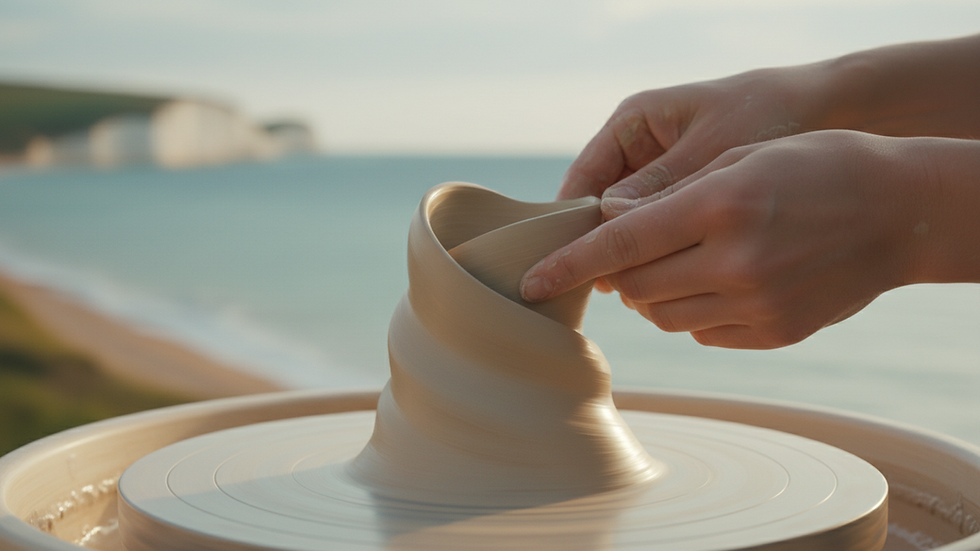
What is Ceramic vs Pottery?
You might have heard these terms used interchangeably, but there’s a subtle difference worth knowing.
Ceramic refers to any object made from clay and hardened by heat. This includes everything from tiles and bricks to fine china.
Pottery is a subset of ceramics, specifically items made by shaping clay on a wheel or by hand, usually functional objects like bowls, mugs, and vases.
So, all pottery is ceramic, but not all ceramics are pottery. This distinction helps you appreciate the variety and versatility of the craft. Whether you want to create decorative art pieces or practical kitchenware, understanding this difference will guide your learning path.
Getting Started: Your First Ceramic Project
Now that you know the basics, how do you begin? Here’s a simple, step-by-step plan to get you started with your first project:
Choose Your Clay: For beginners, earthenware clay is forgiving and fires at lower temperatures.
Prepare Your Workspace: Cover your table with plastic or canvas to keep it clean. Have water and tools ready.
Try Hand-Building: Start with pinch pots or coil pots. These techniques don’t require a wheel and are perfect for learning how clay behaves.
Shape Your Piece: Use your fingers and tools to mold the clay. Don’t rush - enjoy the process.
Dry and Fire: Let your piece dry slowly to avoid cracks. If you don’t have a kiln, many community studios offer firing services.
Glaze and Fire Again: Once fired, apply glaze and fire your piece a second time to finish it.
Remember, your first pieces might not be perfect, and that’s okay! Each attempt teaches you something new.

Tips for Success and Enjoyment in Your Ceramic Journey
Learning ceramics is a rewarding experience, but it can come with challenges. Here are some tips to keep you motivated and progressing:
Be Patient: Clay requires time to dry and fire properly. Rushing can lead to cracks or breakage.
Practice Regularly: Like any skill, ceramics improves with consistent practice.
Experiment: Don’t be afraid to try different shapes, textures, and glazes.
Join a Community: Local studios or online groups can offer support, advice, and inspiration.
Keep a Journal: Document your projects, what worked, and what you want to try next.
By embracing the learning process with kindness toward yourself, you’ll find joy in every stage of your ceramics adventure.
Exploring the Beauty of Ceramics
One of the most magical things about ceramics is how it connects you to a tradition that spans thousands of years. When you mold clay, you’re part of a creative lineage that includes ancient artisans and modern artists alike. The tactile nature of working with clay can be meditative and deeply satisfying.
Whether you want to create functional pieces for your home or expressive sculptures, ceramics offers endless possibilities. As you grow in your skills, you’ll discover your unique style and voice through your work.
I encourage you to embrace this journey with an open heart and a curious mind. Your hands are capable of creating beautiful, lasting art.
Your Next Steps in Ceramics
Now that you have a solid foundation, what’s next? Here are some ideas to keep your momentum going:
Take a Class: Look for local workshops or online courses to learn new techniques.
Visit Museums or Galleries: Seeing professional ceramic art can inspire your own creations.
Invest in Basic Tools: As you progress, having your own set of tools will make working easier.
Try Wheel Throwing: If you’ve only hand-built so far, experimenting with a pottery wheel can open new creative doors.
Share Your Work: Show your pieces to friends or online communities. Feedback and encouragement fuel growth.
Remember, every piece you make is a step forward. Celebrate your progress and keep nurturing your passion.
I hope this guide has sparked your excitement and given you the confidence to start your ceramics journey. There’s something truly special about transforming a lump of clay into a beautiful object with your own hands. So go ahead - get creative, be patient, and most importantly, enjoy every moment of this artistic adventure!


Comments