
Creating Art with Soft Pastels Techniques
- Lindsey Maldonado
- May 20
- 3 min read

When you first pick up a set of soft pastels, you might feel a rush of excitement mixed with a little uncertainty. How do you even begin to create something beautiful with these vibrant sticks of color? I’ve been there, and I want to share with you the joy and freedom that comes from working with soft pastels. This medium is incredibly versatile and forgiving, perfect for artists who want to explore color, texture, and expression in a tactile way.
Let’s dive into the world of soft pastels techniques together. I’ll guide you through the basics, share tips on choosing the right materials, and inspire you to create your own stunning pastel artwork.
Exploring Soft Pastels Techniques: Getting Started
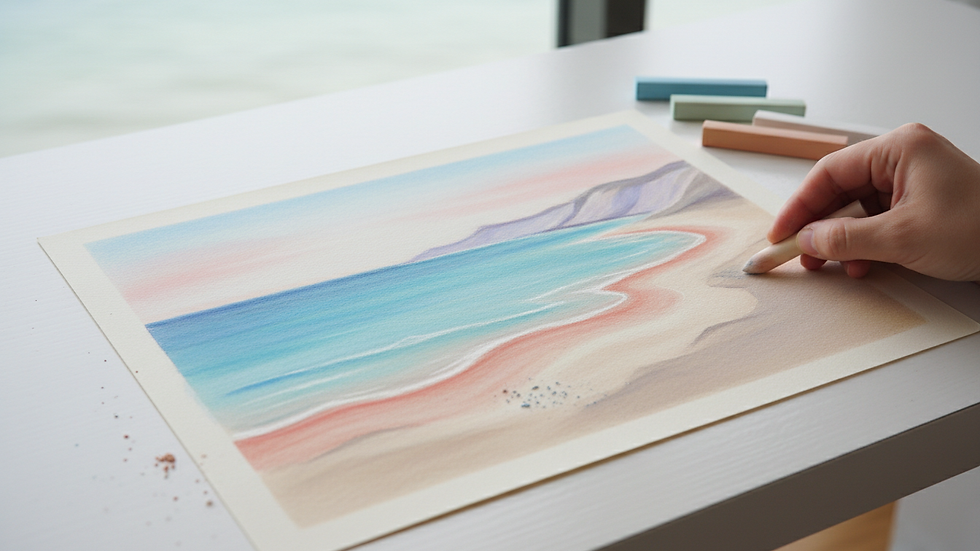
Soft pastels are known for their rich, velvety texture and brilliant colors. When you use them, you’re working with pure pigment in a dry form, which means the colors are intense and blend beautifully. One of the first things you’ll notice is how easily you can layer and smudge the colors to create depth and softness.
Here’s a simple way to start:
Choose your paper carefully. A textured surface like pastel paper or sanded paper will hold the pigment better and allow you to build layers.
Start with light strokes. Use the side of the pastel stick to cover larger areas gently.
Blend with your fingers or a blending tool. This softens edges and creates smooth transitions.
Add details last. Use the tip of the pastel for fine lines and highlights.
Don’t be afraid to experiment. Try layering contrasting colors to see how they interact. You might be surprised at the effects you can achieve just by varying pressure and blending.

Which Soft Pastels Are the Best?
Choosing the right soft pastels can make a big difference in your experience and results. There are many brands and types, but what really matters is the quality of the pigment and the softness of the pastel.
Here are some tips to help you pick the best:
Look for high pigment concentration. The more pigment, the more vibrant your colors will be.
Check the softness. Softer pastels blend more easily but can be messier. Harder pastels offer more control.
Consider your budget. Professional-grade pastels are pricier but last longer and provide better color payoff.
Try a set with a range of colors. This gives you flexibility to mix and layer.
Remember, the best pastels are the ones that feel right in your hand and inspire you to create. Don’t hesitate to try different brands and types until you find your favorites.
Mastering Blending and Layering Techniques
One of the most magical aspects of working with soft pastels is how you can blend colors directly on the paper. This allows you to create smooth gradients, subtle shadows, and glowing highlights.
Here’s how to master blending:
Use your fingers for gentle blending. The warmth of your skin helps soften the pigment.
Try blending stumps or tortillons. These tools give you more precision without smudging too much.
Layer colors gradually. Start with light colors and build up darker tones.
Experiment with cross-hatching. Use small strokes in different directions to mix colors visually.
Layering is equally important. Because soft pastels are opaque, you can layer one color over another to create new shades and textures. For example, layering a light yellow over blue can give you a soft green glow. This technique adds richness and complexity to your artwork.
Tips for Fixing and Preserving Your Pastel Artwork
One challenge with soft pastels is that the pigment sits loosely on the surface, which means your artwork can smudge easily. But don’t worry - there are ways to protect your masterpiece.
Use a fixative spray. Apply a light coat from a distance to avoid altering the colors. Fixatives help hold the pigment in place.
Frame under glass. This protects your work from dust and accidental smudges.
Store carefully. Keep your pastel drawings flat and avoid stacking them without protection.
Work on pastel boards or heavier paper. These surfaces hold pigment better and reduce dust.
Fixing your artwork doesn’t mean you lose the softness and vibrancy. With the right products and care, your pastel creations will stay beautiful for years to come.
Embracing Your Creative Journey with Soft Pastels
Creating art with soft pastels is a journey filled with discovery and joy. Each stroke invites you to explore color, texture, and emotion in a way that feels immediate and alive. Remember, there is no right or wrong here - just your unique expression.
So, what will you create today? A dreamy landscape, a vibrant portrait, or an abstract burst of color? Whatever you choose, trust your instincts and enjoy the process. The beauty of soft pastels is that they encourage you to play, experiment, and grow as an artist.
Keep your pastels close, your paper ready, and your heart open. Your next masterpiece is just a stroke away.
Happy creating!


Comments