
Crafting Ceramic Mugs: Your Guide to Creating Unique Treasures
- Lindsey Maldonado
- Feb 23
- 4 min read

Have you ever held a mug that felt like it was made just for you? That’s the magic of crafting your own ceramic mugs. When you create something with your own hands, it carries a story, a warmth that no store-bought item can match. Today, I want to take you on a journey through the art of making unique ceramic mugs. Whether you’re a seasoned artist or just curious, you’ll find inspiration and practical tips to start your own creative adventure.
The Joy of Crafting Ceramic Mugs
Crafting ceramic mugs is more than just shaping clay - it’s about expressing yourself. Imagine the satisfaction of sipping your morning coffee from a mug that you designed and made. You get to choose the shape, the texture, the colors, and even add personal touches like your initials or a favorite pattern.
To begin, you’ll need some basic tools: clay, a pottery wheel or hand-building tools, glazes, and a kiln for firing. Don’t worry if you don’t have a pottery wheel; hand-building techniques like coiling or slab building are wonderfully accessible and allow for unique shapes.
Here’s a simple step-by-step to get you started:
Prepare your clay - Wedge it to remove air bubbles.
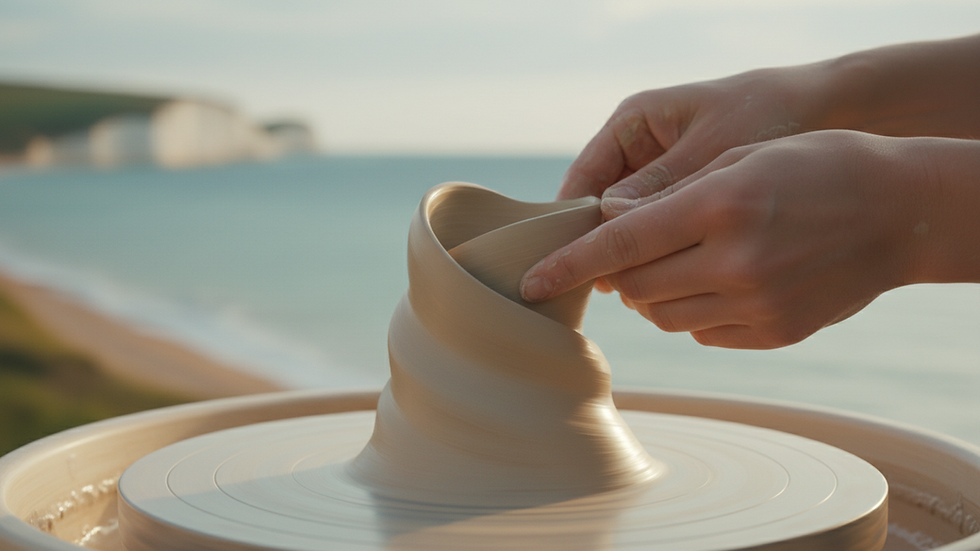
Shape your mug - Use the wheel or hand-build your form.
Add details - Carve, add handles, or texture the surface.
Dry and bisque fire - Let your mug dry completely before the first firing.
Glaze - Apply your chosen glaze for color and finish.
Final firing - Fire your mug again to set the glaze.
Each step is a chance to make your mug truly yours. Don’t rush - enjoy the process and learn from each piece you create.

Tips for Crafting Ceramic Mugs That Stand Out
What makes a ceramic mug unique? It’s the little details that reflect your personality and creativity. Here are some tips to help your mugs stand out:
Experiment with shapes: Don’t stick to the classic cylinder. Try asymmetrical forms or organic shapes inspired by nature.
Play with textures: Use tools or your fingers to create patterns or impressions on the surface.
Mix glazes: Layer different glazes for interesting effects. Some glazes react with each other to create beautiful, unpredictable finishes.
Personalize with decals or stamps: Add your signature or a meaningful symbol.
Consider functionality: Think about the handle’s comfort, the mug’s weight, and how it feels to hold.
Remember, imperfections add character. A slightly uneven rim or a quirky handle can make your mug feel more alive and special.
What are the disadvantages of ceramic mugs?
While ceramic mugs are beloved for their charm and versatility, it’s important to be aware of some drawbacks. Knowing these will help you make better choices in your crafting process.
Fragility: Ceramic mugs can chip or break if dropped. This means you need to handle them with care and consider thicker walls or reinforced handles.
Porosity: If not glazed properly, ceramics can absorb liquids, leading to stains or odors.
Weight: Some ceramic mugs can be heavier than alternatives like metal or plastic, which might affect comfort.
Firing challenges: Kiln firing requires precision. Uneven heating can cause cracks or warping.
Cost and time: Crafting and firing ceramics can be time-consuming and sometimes costly, especially if you don’t have access to a kiln.
Despite these challenges, the rewards of creating your own ceramic mugs far outweigh the downsides. With practice and patience, you’ll learn how to minimize these issues and produce durable, beautiful pieces.

How to Choose the Right Clay and Glaze
Choosing the right materials is crucial for your success. There are different types of clay, each with unique properties:
Earthenware: Fires at lower temperatures, porous unless glazed, and has a warm, rustic look.
Stoneware: More durable, fires at higher temperatures, and is great for functional mugs.
Porcelain: Smooth, white, and translucent, but can be tricky to work with.
For beginners, stoneware is often the best choice because it balances durability and ease of use.
Glazes come in countless colors and finishes - matte, glossy, satin, or textured. When selecting glazes, consider:
Food safety: Make sure your glaze is non-toxic and safe for drinking vessels.
Firing temperature: Match your glaze to your clay’s firing range.
Color and effect: Test small samples to see how the glaze looks after firing.
Try mixing glazes or layering them to create your signature style. Keep a journal of your experiments so you can replicate your favorite results.
Caring for Your Handmade Ceramic Mugs
Once you’ve crafted your unique mug, you’ll want it to last. Here are some care tips to keep your creation beautiful and functional:
Hand wash gently: Avoid harsh detergents or scrubbing with abrasive pads.
Avoid sudden temperature changes: Don’t pour boiling water into a cold mug or place it directly on a stove.
Store carefully: Keep mugs separated to prevent chipping.
Inspect regularly: Check for cracks or chips that could harbor bacteria.
By treating your mugs with care, you’ll enjoy them for years and keep your creative spirit alive every time you take a sip.
Crafting your own ceramic mugs is a rewarding journey that combines art, skill, and personal expression. Each mug you make is a testament to your creativity and dedication. So why not gather your tools, get your hands dirty, and start crafting your own unique treasures today? You’ll be amazed at what you can create.


Comments